
USING GAMES & ACTIVITIES TO RAISE MENTAL HEALTH AWARENESS IN POST PRIMARY SCHOOLS
Watch our short video to understand exactly how we can help your school
T.A.M.H.I for Post Primary Schools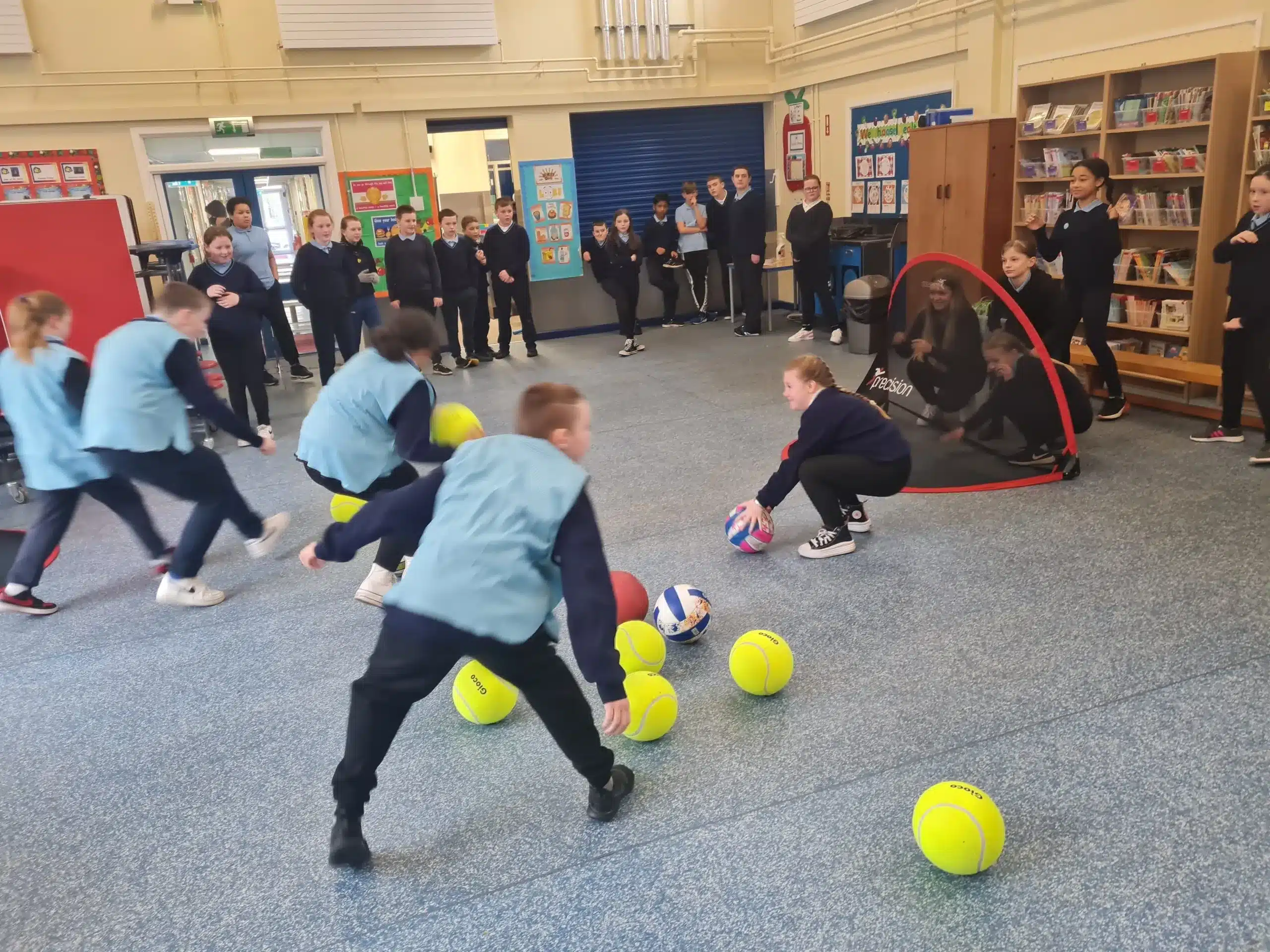
Join other schools in delivering TAMHI Mental Wealth Games























Our work is aligned with the "Children & Young People's Emotional Health & Wellbeing in Education Framework"
Important Mental Health Dates 2023
- MId- February
Children Mental Health Week
- Mid- May
Mental Health Awareness Week
- 10 September
World Suicide Prevention Day
- 10 October
World Mental Health Awareness Day
- Mid- November
Anti-Bullying Week
Example Game Lesson Plans for Primary Schools
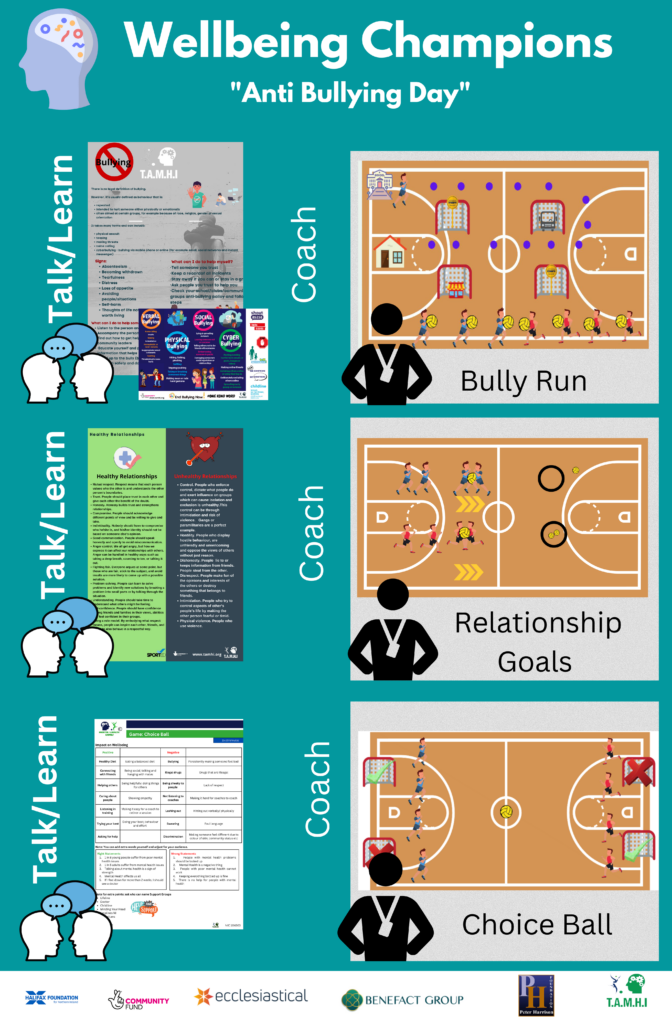
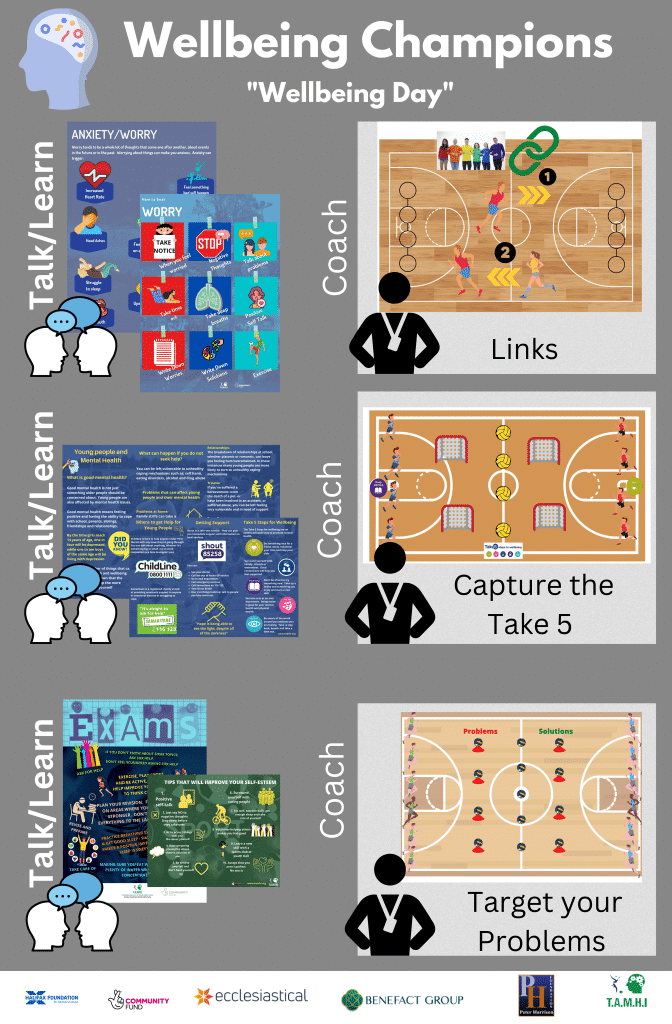
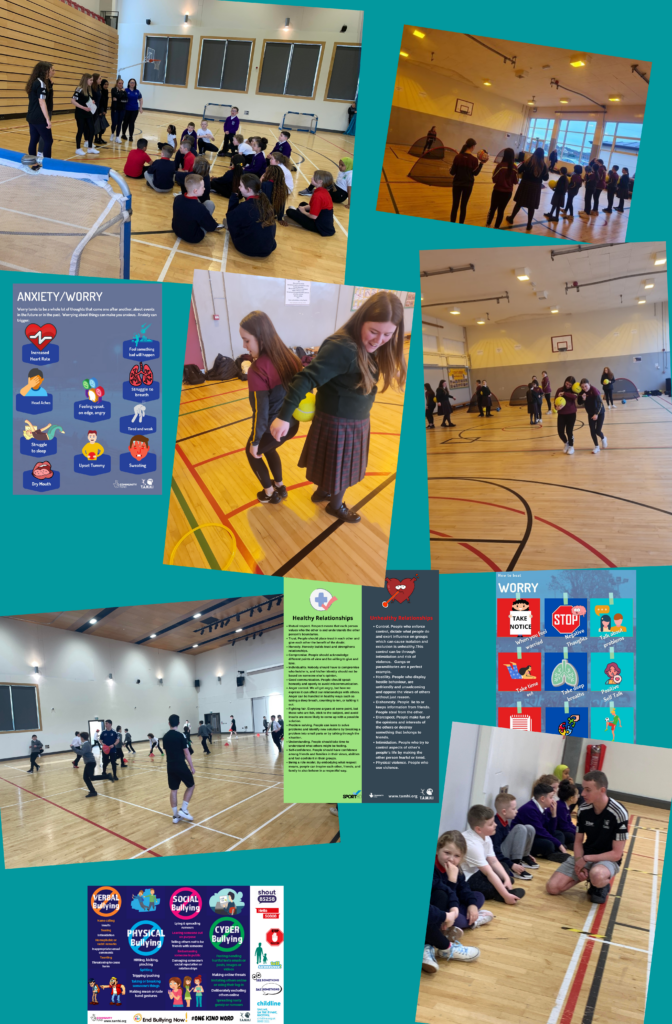
This course is aimed at post primary schools to help promote mental health through play and sport though our resources. This license gives you access to Game Tutorials, Game Cards and resources that will enable you to deliver in your settings. The games cover: – Six session plans focus on promoting wellbeing through play, for the wellbeing champions will then cover anti-bullying through three specific games, the next three sessions will cover “wellbeing day”.
Communities
Communities. Community partners often provide safe and developmentally rich settings for learning and development, have deep understanding of community needs and assets, are seen as trusted partners by families and students, and have connections to additional supports and services that school and families need. Community programs also offer opportunities for young people to practice their social and emotional skills in settings that are both personally relevant and can open opportunities for their future. To integrate SEL efforts across the school day and out-of-school time, school staff and community partners should align on common language and coordinate strategies and communication around SEL-related efforts and initiatives.
Learn more: CASEL Guide to Schoolwide SEL – Community Partnerships
your primary school resources
Welcome to the primary resources section of T.A.M.H.I
Some additional online resources
NSPCC Online Safety
We won’t stop until every child is safe online. Together we can make sure it’s safe for every child to go online. We’re here to support parents with online safety advice, and we’re here for children – to protect them and help them recover from abuse.
Click here
Cara Friend
Cara-Friend has been serving and empowering the LGBTQIA+ community in Northern Ireland since 1974
Click here
Autism NI
Autism NI is Northern Ireland’s longest serving autism charity and training provider, and we work to provide life changing services for over 35,000 autistic people and their families through Northern Ireland. We campaign to inspire and educate local people, communities, businesses and government to ensure everyone can understand autism, and how to support autistic people .
Click here
ACES
The experiences we have early in life, especially in childhood, significantly influence our growth, development, physical and mental health, as well as our thoughts, feelings, and behaviour. Two crucial factors to consider for mental wellbeing are the quality of our attachment relationships and our experience of Adverse Childhood Experiences (ACES).
Click here
Some lovely feedback from some of our post primary students
Post-Primary School
Evidence Based Programme
Click here to secure your school programme licenseMind-Full Play
This course is for Post Primary schools to use these resources to help promote mental health through play and sport. This license gives you access to Game Tutorials, Game Cards and resources that will enable you to deliver in your settings.
The games cover:
Anti-Bullying
Relationship Goals
Impact of your choices
Anxiety/ Worry
Take 5 Steps for Wellbeing
Overcoming problems.
CASEL’s Framework
- Foster knowledge, skills, and attitudes across five areas of social and emotional competence;
- Establish equitable learning environments and coordinate practices across four key settings that support students’ social, emotional, and academic development.